After the holiday period, many people notice the same signals: slower digestion, bloating, fatigue that sets in early during the day, and constant cravings for sweets or salty foods. These reactions often appear after rich meals, irregular schedules, and higher intake of alcohol or sugar. Your body does not ask for extreme solutions. It asks for steady support through simpler, clearer food choices.
Post-holiday detox does not mean restrictive cleanses or completely eliminating food groups. In everyday use, the term “detox” describes supporting the natural processes through which the liver, kidneys, and digestive system process and eliminate by-products of nutrition. A balanced diet, proper hydration, and regular meals help your body gradually return to a comfortable rhythm.
The list below includes 15 foods that are easy to integrate into your daily menu and that support body regeneration after the holidays, based on general nutrition recommendations.
10 foods that help regenerate your body after the holidays
A healthy body already has its own mechanisms for eliminating substances it does not need. The liver metabolizes alcohol and fats, the kidneys filter the blood, and the intestines eliminate waste. After dietary excesses, these processes can work more slowly.
In most cases, a diet rich in fiber, vegetables, fruit, and quality protein, along with reducing ultra-processed foods, supports a return to balance.
-
Cruciferous vegetables (broccoli, cabbage, cauliflower)

Cruciferous vegetables provide fiber, vitamin C, and sulfur compounds studied for supporting liver function. In everyday diets, they help with fat digestion and maintain intestinal transit.
You can eat them steamed, lightly sautéed with a little olive oil, or added to clear soups. One serving at lunch or dinner helps lighten heavier meals from the previous period.
-
Organic hulled hemp seeds
Hemp seeds provide complete protein and healthy fats, essential for recovery after periods of unbalanced eating. Their omega fatty acid content supports liver function and helps reduce inflammation. After the holidays, they can support digestion without burdening the stomach. They are easy to consume, added to smoothies, salads, or peanut butter toast.
-
Beetroot
Beetroot contains betaine, a compound studied for its link to fat metabolism and liver function. It also provides fiber and natural nitrates that support circulation.
You can roast beetroot and add it to leafy salads or turn it into a simple cream soup. People with low blood pressure or digestive sensitivity may prefer smaller portions.
-
Organic chia seeds
Chia seeds are known for their ability to absorb liquids, contributing to hydration after dietary excesses. Their fiber supports intestinal transit and helps eliminate digestive waste. After heavy meals, chia can support satiety and digestive balance. They work well in puddings, smoothies, or desserts.
-
Fresh leafy greens (spinach, arugula, parsley)
Leafy greens provide chlorophyll, magnesium, and antioxidants. In everyday use, they support cellular hydration and help the body eliminate excess sodium accumulated after salty meals.
Add them daily to simple salads, green smoothies, or as toppings for warm dishes. Their fresh taste helps reduce cravings for heavy foods, especially in the evening.
-
Citrus fruits (lemon, grapefruit, orange)
Citrus fruits provide vitamin C and flavonoids. These compounds support immune function and normal metabolic processes. Lemon diluted in water can stimulate digestive secretions, especially after periods of high-fat meals.
A glass of water with lemon in the morning is a simple option. If you have gastritis or reflux, use caution and avoid drinking it on an empty stomach.
-
Organic blue spirulina powder
Blue spirulina powder is a concentrated superfood, rich in antioxidants and natural pigments that support detox processes. After the holidays, it can help fight fatigue and support liver function. It contributes to metabolic balance and micronutrient intake. It blends easily into smoothies or plant-based drinks.
-
Apples
Apples contain pectin, a soluble fiber that supports intestinal transit and gut microbiota. A regularly functioning intestine helps the body eliminate digestion by-products more efficiently.
Eat apples as snacks between meals or add them to warm oat porridge. If sourced safely, the peel provides extra fiber.
-
Berries and goji berries

Berries provide antioxidants such as anthocyanins, associated in studies with reduced low-grade inflammation. Goji berries offer fiber, vitamin A, and moderate amounts of plant protein.
For breakfast or snacks, add goji berries to smoothies or fruit salads. Small portions help maintain a balanced intake of natural sugars.
-
Oats and flaxseeds
Oats provide beta-glucans, soluble fibers known to support digestion and normal cholesterol levels. Flaxseeds add insoluble fiber and omega-3 fatty acids.
A suitable post-holiday breakfast can include overnight-soaked oats, flaxseeds, and fresh fruit. Proper hydration remains important to avoid intestinal discomfort.
-
Clean plant-based proteins
Proteins support cell regeneration and help maintain muscle mass, especially after irregular eating patterns. Legumes, tofu, or plant-based protein mixes can easily complement daily meals.
For smoothies or quick meals, you can choose organic plant proteins combined with fruits and vegetables. Moderate portions help keep intake balanced throughout the day.
-
Maca, support for energy levels

Maca does not directly act on elimination processes, but it may support energy levels and stress adaptation, according to available observational studies. After the holidays, many people deal with accumulated fatigue and irregular sleep.
You can add maca powder to a morning smoothie or a warm plant-based drink. Follow recommended doses and avoid evening use if sleep issues occur.
-
Organic matcha powder
Organic matcha is a natural source of antioxidants that support metabolism and daily energy. After dietary excesses, it can help your body return to a more balanced rhythm without aggressive stimulation. It contains compounds that support toxin elimination processes. Consume it as a warm drink or added to smoothies.
-
Organic ginger powder
Ginger is known for its digestive benefits and anti-inflammatory properties. After the holidays, organic ginger powder helps stimulate digestion and reduce gastric discomfort. It can support toxin elimination by activating digestive processes. Use it in teas, smoothies, or simple recipes.
-
Barley grass powder
Barley grass is a classic detox ingredient due to its high chlorophyll and fiber content. After periods of heavy eating, barley grass powder supports digestion and toxin elimination. It helps alkalize the body and support intestinal transit. Consume it as green juice or in smoothies.
What does a balanced post-holiday day look like?
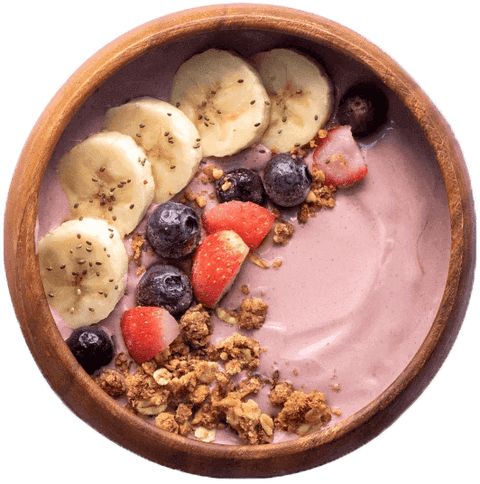
Morning can start with water and lemon, followed by a breakfast based on oats, fruit, and seeds. At lunch, simply cooked vegetables and a plant protein source support long-term energy. Dinner works best when it stays light, with cream soups or hearty salads.
For snacks, choose fresh fruit, smoothies, or bars with simple ingredients, such as those from the Roobar range. These options help avoid products high in refined sugar.
What to reduce during this period

After the holidays, it is recommended to limit alcohol, concentrated sweets, and ultra-processed foods. Reduce salt intake and keep meals at relatively consistent times. Coffee in moderate amounts works well for most people.
These adjustments support digestion and allow your body to gradually regulate appetite and energy levels.
In most cases, the first signs appear after a few days: easier digestion, reduced bloating, and more stable energy. Sleep improves, and sugar cravings gradually decrease. If persistent dizziness, pronounced weakness, or ongoing digestive discomfort occur, stop the changes and seek advice from a doctor or nutritionist.
Post-holiday detox can serve as a starting point for clearer habits and simpler meals. For lasting results, maintain balance long term and adapt your diet to your lifestyle.
Choose 3 to 4 foods from the list and integrate them daily. Observe how your body responds and adjust portions based on digestive comfort.