Have you ever stopped in front of a store shelf and read the label of a product that promises good taste and “clean” ingredients, yet you are still unsure what you are actually choosing? Many people experience this situation. The offer is large, the messages vary, and the terms seem similar. Superfoods, organic products, processed foods all coexist, but they do not mean the same thing.
This article offers a clear analysis of the differences between superfoods and processed food, with practical examples and explanations that are easy to follow. Learn where the real differences appear, what advantages and limits each option has, and how you can make choices that better fit you and your family.
What are organic superfoods?

License: e131622f0a0c4f5376df28e5cbf5ec64d0
In practical terms, a superfood describes an ingredient with high nutrient density relative to the quantity consumed. These are foods that provide fiber, vitamins, minerals, beneficial fatty acids, or antioxidant compounds in a form as close as possible to their natural state. In modern nutrition, superfoods are used to complement daily meals and support energy, digestion, or cognitive function, without replacing a balanced diet.
Organic ashwagandha
Ashwagandha has become one of the most sought-after ingredients in the wellness space because of its adaptogenic role. The plant is associated with supporting the body’s response to stress and maintaining nervous system balance. Consumed regularly, it may contribute to reduced mental fatigue, improved sleep quality, and better concentration during demanding periods.
Adding ashwagandha powder to smoothies, warm drinks, or functional mixes makes it a relevant ingredient for a lifestyle focused on balance and mental recovery.
Blue spirulina
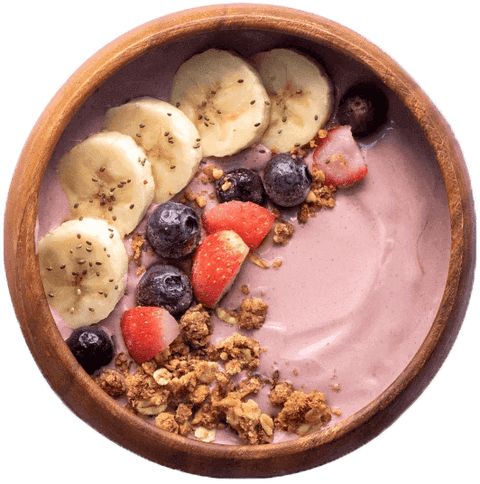
Blue spirulina attracts attention because of its intense color, but especially because of its concentrated antioxidant profile. The active pigment, phycocyanin, helps combat oxidative stress and supports cellular vitality. Beyond the visual appeal that made it popular in smoothie bowls and functional desserts, blue spirulina provides real nutritional support for energy and mental clarity.
It is often integrated into modern recipes thanks to its neutral taste and ability to transform simple dishes into premium nutritious options.
Other organic superfoods easily integrated into daily nutrition
Here are a few other examples of organic superfoods:
Carob powder is a natural alternative to cocoa, rich in fiber and minerals, supporting digestion and providing energy without stimulants.
Hulled hemp seeds provide complete protein and healthy fats, supporting metabolism and energy levels.
Chia seeds support hydration and intestinal transit due to their high fiber content.
Matcha powder is a powerful antioxidant that supports concentration and provides steady energy without sharp fluctuations.
Moringa powder is rich in vitamins and minerals and supports immunity and overall vitality.
Ginger powder supports digestion and has anti-inflammatory properties, especially useful after heavier meals.
Goji berries are a natural source of antioxidants and vitamins, helping revitalize the body and support immunity.
Processed food vs. functional choices: what you put on your plate when you want real energy
Processed food includes any food that has undergone some form of intervention before consumption. Processing is not automatically negative. Washing, cutting, freezing, drying, fermenting, or cooking are normal steps that can even extend shelf life and make food easier to use daily. For example, frozen vegetables or simple canned foods without unnecessary additives remain practical and nutritious options when you want quick balanced meals.
The important difference appears when we talk about ultra-processed foods, which are often associated with reduced energy levels, rapid hunger, and low nutritional value. These foods contain refined ingredients, added sugars, modified fats, artificial flavors, and technical additives designed for taste and texture rather than nutritional value. As the ingredient list becomes longer, the food moves further away from its original form and from the functional benefits consumers look for today, such as stable energy, concentration, or immune support.
Here is a simple example:
Plain oats represent a minimally processed food suitable for meals that provide steady energy.
An oat bar with syrups, refined oils, and artificial flavors falls into the ultra-processed category, even if oats remain the base ingredient.
For the modern consumer, the choice is no longer simply between “natural” and “processed,” but between foods that provide real functionality and products that only provide quick calories. Ingredient selection increasingly resembles a results-oriented shopping list focused on sustained energy, mental clarity, and metabolic balance rather than attractive labels.
Advantages and limits of superfoods
Superfoods attract attention because of their simplicity and nutrient concentration. For most people, they can complement daily meals with minimal effort.
A clear advantage is nutritional intake. Seeds, simple dried fruits, or plant powders provide fiber and micronutrients often missing from fast meals. In most cases, these ingredients help diversify the diet and maintain a feeling of satiety.
Superfoods also offer flexibility. You can add them to smoothies, porridge, yogurt, or homemade desserts. They do not require complex techniques and fit well into an active lifestyle.
There are also limitations worth mentioning. Some superfoods have strong flavors or specific textures, and not everyone tolerates them well. Excessive consumption may create digestive discomfort, especially with concentrated powders or alternative sweeteners. Additionally, some exotic ingredients may exceed the daily food budget without being necessary for a balanced diet.
For stable results, use superfoods as additions rather than the exclusive base of a menu.
Advantages and limits of processed food
Processed food offers convenience above all. You save time, cook faster, and reduce food waste. Frozen vegetables, simple canned foods, or basic fermented products help organize daily meals.
Moderate processing can preserve nutrients and food safety. Natural yogurt, simple cheeses, or bread made with few ingredients integrate easily into a balanced diet.
Limitations appear in ultra-processed products. These contain many calories but few nutrients. Sugar and refined fats quickly increase energy intake without supporting satiety. Over time, frequent consumption is associated in observational studies with metabolic imbalance.
Ultra-processed food should not be demonized. Consume it occasionally, consciously, and in small quantities. Problems arise when it becomes the basis of daily nutrition.
Comparison between organic foods and processed food

License: e15498cac09cc079848894b688553a0568
Nutritional value
Superfoods provide concentrated nutrients in a small volume. Fiber, minerals, and bioactive compounds appear naturally without additives. A handful of seeds or simple dried fruit offers more than flavor alone.
Ultra-processed food relies on refined ingredients. Calories increase quickly, while vitamin and mineral intake remains low. For regular use, this imbalance limits nutritional value.
Level of processing
Superfoods maintain the original structure of the food or go through simple steps such as drying or grinding. Processing does not significantly change the composition.
Ultra-processed products go through multiple industrial steps. Ingredients are separated, recombined, and adjusted for taste and texture. The final food differs significantly from the raw material.
Possible health effects
Whole foods and superfoods support digestion and help regulate appetite in most cases. Fiber slows sugar absorption and maintains steady energy.
High consumption of ultra-processed foods correlates, according to scientific literature, with higher risks for metabolic health. These effects appear through repeated habits over time rather than immediate consequences.
Cost and accessibility
Local superfoods such as seeds or legumes remain accessible. Exotic ingredients may increase cost but are not necessary daily.
Ultra-processed foods often appear inexpensive on store shelves. However, the need to consume larger portions for satiety can increase the real cost over time.
Environmental impact
Products with simple ingredients and shorter processing chains use fewer resources. Multiple layers of packaging and intensive production increase the ecological footprint of ultra-processed foods.
Suitability for specific diets
Superfoods integrate easily into vegetarian, vegan, or flexitarian diets. They provide nutrients without complicating menus. However, not all are suitable for individuals with digestive conditions or specific treatments.
Simple processed foods can support meal organization. Ultra-processed products may appear occasionally but do not support long-term diets focused on balance.
How to read a food label without effort
A label provides clear information if you know where to look. Start with the first three ingredients, which appear in the largest quantity. If sugar or syrups appear first, the product provides more flavor than nutrients.
Count the ingredients. A short list usually indicates a product closer to its original form. Avoid artificial flavors and hydrogenated fats. Look for ingredients you recognize and would use at home.
Consider the context. A ready-to-eat product with simple ingredients can work on a busy day. The long-term balance remains the most important factor.
Integrating organic ingredients according to lifestyle
For active individuals, natural ingredients save time if prepared in advance. Nuts, seeds, frozen fruits, or simple canned foods support quick meals.
For families with children, snacks with clear ingredients help reduce added sugar consumption. Involve children in reading labels and cooking.
For limited budgets, rely on simple foods such as legumes, whole grains, and seasonal fruits. Exotic superfoods remain optional.
If you follow a specific diet or have medical conditions, speak with a doctor or dietitian before making major changes. The information in this article is for educational purposes and does not replace professional guidance.
Practical steps for better daily choices
For clarity, apply a few simple rules in everyday life:
Choose meal bases from whole or minimally processed foods.
Use superfoods as additions, not primary solutions.
Limit ultra-processed products to occasional consumption.
Read labels and compare similar products.
Adapt choices to taste, budget, and personal tolerance.
Applying these steps supports a balanced dietary style without rigid restrictions.
You do not need to eliminate processed food completely. Choose simple versions and limit ultra-processed products. Focus on natural ingredients that are easy to recognize and integrate into daily meals.