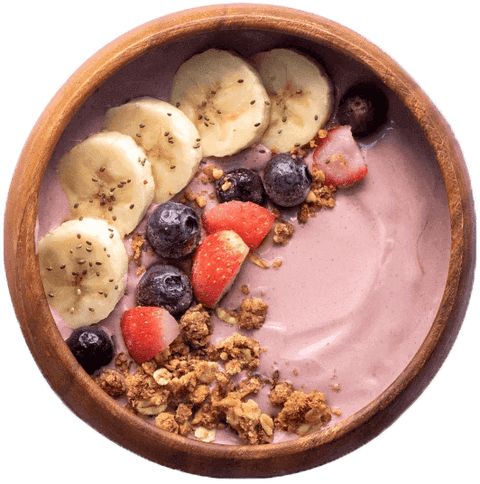
We use sugar almost every day, in coffee, homemade desserts, breakfast granola, or family recipes. Most of the time, we choose it out of habit. Other times, we look for less processed alternatives that may have a more balanced impact on the body.
Coconut sugar has become increasingly popular among people interested in plant-based nutrition and clean-label ingredients. But is it really different from white sugar? Does it affect blood sugar differently? And is it worth choosing for everyday use?
Let's compare both options so you can make an informed decision.
What Is Coconut Sugar and What Is White Sugar?

How Coconut Sugar Is Made
Coconut sugar is made from the sap of coconut palm flower buds, not from the coconut fruit itself. Producers collect the nectar and gently heat it to evaporate the water, creating sugar crystals. The process involves minimal processing and no intensive refining.
The result is a brown sugar with a subtle caramel-like flavor and a texture similar to natural brown sugar. Despite its name, it does not taste like coconut.
Chemically, coconut sugar consists mainly of sucrose, just like white sugar, along with small amounts of glucose and fructose. It also retains trace amounts of minerals such as potassium, zinc, and iron, as well as a small quantity of inulin, a soluble fiber.
It can be used as a direct 1:1 replacement for white sugar in baked goods, hot drinks, granola, and plant-based desserts.
How White Sugar Is Made
White sugar is produced from either sugar cane or sugar beet. Manufacturers extract the juice, purify it, refine it, and crystallize it until they obtain nearly pure sucrose.
During refining, natural color compounds, impurities, and trace minerals are removed. The result is a highly consistent sweetener with a neutral flavor and reliable performance in recipes.
Nutritionally, white sugar is almost 100% sucrose. It contains no fiber and provides no meaningful micronutrients.
Nutritional Comparison: Coconut Sugar vs White Sugar
Calories and Macronutrients
The caloric differences between the two are minimal.
| Characteristic | White Sugar | Coconut Sugar |
|---|---|---|
| Calories (1 teaspoon) | ~16–20 kcal | ~15–20 kcal |
| Carbohydrates | ~4 g | ~4 g |
| Fiber | 0 g | Very small amount |
| Minerals | Negligible | Trace amounts |
Replacing white sugar with coconut sugar in equal quantities does not significantly reduce calorie intake. Weight management depends more on total sugar consumption and overall dietary patterns than on the type of sugar used.
Mineral Content
Coconut sugar contains small amounts of potassium, iron, and zinc. However, the quantities are too low to make it a meaningful source of these nutrients.
While it is fair to say that coconut sugar is less processed and retains some naturally occurring compounds, it should not be considered a significant source of vitamins or minerals.
Glycemic Index: How Big Is the Difference?
What Is the Glycemic Index?
The glycemic index (GI) measures how quickly a carbohydrate-containing food raises blood glucose levels.
- High GI: rapid increase in blood sugar
- Moderate GI: slower increase
- Low GI: gradual increase
Foods with a high GI may contribute to energy crashes and increased cravings shortly after consumption.
GI of White Sugar and Coconut Sugar
White sugar generally has a moderate to high glycemic index, typically ranging from 60 to 70.
Some studies report coconut sugar GI values between 35 and 54, although results vary depending on testing methods and product batches.
While coconut sugar may have a somewhat lower GI, both sweeteners consist primarily of sucrose, which the body breaks down into glucose and fructose.
When consumed in large amounts, the effect on blood sugar becomes increasingly similar. Differences are more noticeable when consumed in smaller portions and as part of balanced meals that contain fiber, healthy fats, and protein.
For example, a whole-grain muffin made with coconut sugar and nuts is likely to produce a different glycemic response than a sugar-sweetened beverage consumed on an empty stomach.
Coconut Sugar and Diabetes
If you have diabetes or insulin resistance, coconut sugar should still be treated as a form of added sugar.
Although some sources market it as a "healthier" option, it can still raise blood glucose levels. Replacing white sugar with coconut sugar does not automatically eliminate the need for blood sugar monitoring.
Always consult your healthcare provider or registered dietitian before making significant dietary changes.
For individuals seeking strict glycemic control, low- or zero-GI sweeteners such as erythritol may be an alternative. However, excessive consumption of sugar alcohols can cause digestive discomfort, including bloating or laxative effects.
This article is for educational purposes only and does not replace professional medical advice.
Coconut Sugar vs Other Sweeteners
Coconut Sugar vs Brown Sugar
In many countries, commercial brown sugar is simply white sugar with molasses added back in. Nutritional differences are generally minor.
Coconut sugar undergoes a different production process and has a richer, more caramel-like flavor. Metabolically, both remain sources of sucrose.
Coconut Sugar vs Syrups
Maple syrup, date syrup, and agave syrup contain different proportions of glucose and fructose.
Fructose does not raise blood sugar as quickly as glucose, but excessive consumption may place additional strain on the liver over time.
Syrups work well in beverages and sauces but are often less practical in recipes where sugar contributes structure and texture, such as cookies and cakes.
Coconut Sugar vs Zero-Calorie Sweeteners
Sweeteners such as erythritol provide few or no calories and have minimal impact on blood glucose levels.
Coconut sugar, on the other hand, behaves more like traditional sugar in baking and offers a familiar taste and texture.
The better choice depends on your goal: a minimally processed ingredient with a natural flavor, or a sweetener designed to reduce calories and glycemic impact.
When Should You Choose Coconut Sugar?
Coconut sugar may be a good option if you:
- Prefer minimally processed ingredients
- Enjoy a mild caramel flavor in baked goods, granola, or sauces
- Want an alternative to refined white sugar without significantly changing recipes
It works well in oatmeal, smoothies, muffins, cookies, and warm beverages. It also pairs naturally with cinnamon, cocoa, vanilla, and nuts.
When Is Coconut Sugar Not a Better Choice?
Coconut sugar should not be viewed as a solution for:
- Weight loss, since calorie content is similar to white sugar
- Unlimited consumption, because it is still a form of sugar
- Strict blood sugar management, as it still affects glucose levels
Regardless of the source, frequent and excessive sugar consumption may contribute to weight gain and metabolic health issues.
Reducing overall sugar intake remains one of the most effective strategies for long-term health.
How to Choose High-Quality Coconut Sugar
Read the ingredient list carefully. Look for products labeled as 100% coconut sugar with no additives.
Organic certification can provide additional transparency regarding sourcing and production methods.
Quality coconut sugar typically has:
- Uniform granules
- A natural brown color
- Minimal clumping
Store it in an airtight container in a cool, dry place.
The Right Choice Depends on Your Goals
Coconut sugar and white sugar have real but relatively modest differences. Coconut sugar is less processed and may have a somewhat lower glycemic index, but both provide similar calories and can raise blood sugar levels.
If you prefer ingredients closer to their natural state and enjoy a richer flavor profile, coconut sugar may be a suitable option. If your priority is reducing calories or maintaining strict blood sugar control, other sweeteners may be more appropriate.
Ultimately, the most important factor is the total amount of added sugar you consume, regardless of the source.
Frequently Asked Questions
Is coconut sugar suitable for children?
Children can consume coconut sugar occasionally, just like any other added sugar. It does not provide significant nutritional benefits. Focus on limiting total added sugar intake and building meals around whole foods.
Can I completely replace white sugar with coconut sugar?
Yes. In most recipes, coconut sugar can be substituted at a 1:1 ratio. The flavor will be slightly different, with subtle caramel notes, but the texture and baking performance are generally comparable.
Is coconut sugar healthier than white sugar?
Coconut sugar is less processed and may have a lower glycemic index, but it remains a source of calories and added sugar. For long-term health, total sugar intake is usually more important than the specific type of sugar consumed.