Irritable Bowel Syndrome (IBS) can affect your daily routine more than you'd like. Bloating, abdominal cramps, constipation, and diarrhea often appear unpredictably, impacting both your comfort and energy levels. Diet plays a significant role in managing these symptoms, and the right food choices can help support a calmer, more balanced digestive system.
If you follow a plant-based lifestyle and prioritize clean ingredients, understanding which foods support digestion and which may trigger symptoms is especially important. There is no one-size-fits-all IBS diet. Everyone responds differently, and finding the right approach often requires patience and, ideally, guidance from a healthcare professional or registered dietitian.
How Does Diet Affect IBS?

People with IBS often react more strongly to certain fermentable carbohydrates known as FODMAPs. These include fermentable oligosaccharides, disaccharides, monosaccharides, and polyols that can be poorly absorbed in the gut and rapidly fermented by intestinal bacteria.
This fermentation process can lead to:
- Bloating
- Excess gas
- Abdominal discomfort
- Diarrhea
- Constipation
Fiber also plays an important role. Soluble fiber absorbs water and forms a gel-like substance that supports healthy bowel movements. Insoluble fiber adds bulk to stool but may worsen symptoms in some individuals when consumed in large amounts.
Another key factor is the gut microbiome, the community of beneficial bacteria living in the digestive tract. A varied, balanced plant-based diet can help support microbiome diversity and contribute to more predictable digestion.
7 Foods That May Help Support Digestion in IBS
1. Oats and Other Gluten-Free Grains
Certified gluten-free oats, white rice, and quinoa provide easily digestible carbohydrates and steady energy.
Oats contain beta-glucans, a type of soluble fiber that may help support bowel regularity and reduce constipation symptoms.
A simple breakfast of oatmeal prepared with water or plant-based milk and topped with a small handful of blueberries is often well tolerated. Avoid excessive amounts of added sweeteners or high-fat toppings.
For a convenient option, a protein granola made with gluten-free oats and plant protein can provide a balanced combination of fiber, protein, and sustained energy.
2. Psyllium Husk
Psyllium is a soluble fiber derived from the seeds of Plantago ovata. When mixed with water, it forms a gel that can help regulate bowel movements.
Research suggests that psyllium may be beneficial for both constipation-predominant and diarrhea-predominant IBS because it helps normalize stool consistency.
Mix one teaspoon into water and consume immediately, followed by an additional glass of water. Adequate hydration is essential when increasing fiber intake.
If you have a diagnosed digestive condition or take medication regularly, consult your healthcare provider before introducing fiber supplements.
3. Cooked Carrots and Zucchini
Cooked vegetables are often easier to digest than raw vegetables.
Carrots and zucchini are generally considered low-FODMAP foods and contain moderate amounts of fiber. Cooking softens their structure, making them gentler on sensitive digestive systems.
A simple carrot soup made with olive oil and herbs can be a comforting choice during symptom flare-ups. If onions and garlic trigger your symptoms, consider omitting them from recipes.
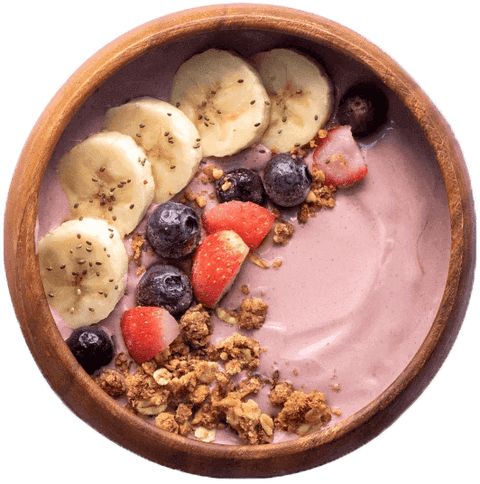
4. Slightly Unripe Bananas and Berries
Slightly green bananas contain resistant starch, which is digested more slowly and may produce fewer digestive symptoms than very ripe bananas.
Blueberries and strawberries are typically well tolerated when consumed in moderate portions.
If you notice bloating after eating apples, pears, or other fruits high in fructose, consider reducing portion sizes and tracking your individual response in a food diary.
5. Tofu and Tempeh
Simple plant-based protein sources such as tofu and tempeh provide valuable nutrition without placing excessive strain on digestion.
Choose minimally processed varieties and prepare them using gentle cooking methods such as steaming, baking, or light sautéing.
Highly spicy, heavily seasoned, or deep-fried preparations may trigger symptoms in some people.
6. Chia Seeds and Ground Flaxseeds
Chia seeds and flaxseeds provide soluble fiber and plant-based omega-3 fatty acids.
Soak chia seeds before eating, or add them to plant-based yogurt, smoothies, or homemade puddings. Ground flaxseed can be stirred into oatmeal or breakfast bowls.
Introduce these foods gradually. A sudden increase in fiber intake may contribute to bloating or digestive discomfort.
7. Functional Fiber Blends
Some fiber-rich blends that combine plant-based ingredients may help support digestive regularity as part of a balanced diet.
Products containing psyllium, flaxseed, chia seeds, or other sources of soluble fiber can be useful additions for some individuals. As always, introduce new products gradually and monitor your body's response.
Foods That May Worsen IBS Symptoms
Common IBS triggers include:
- Onions
- Garlic
- Cabbage
- Large amounts of legumes
- Wheat-based products
These foods contain fermentable carbohydrates that may increase gas production and digestive discomfort.
Highly processed foods, excessive dietary fat, and certain food additives may also contribute to cramping and digestive symptoms.
Carbonated beverages and excessive caffeine intake can increase bloating and gastrointestinal sensitivity.
When making dietary changes, introduce them gradually. Sudden restrictions or dramatic increases in fiber intake may temporarily worsen symptoms.
Understanding the Low-FODMAP Diet
The Low-FODMAP diet consists of three phases:
1. Elimination Phase
High-FODMAP foods are temporarily removed for approximately 2 to 6 weeks.
2. Reintroduction Phase
Individual FODMAP groups are reintroduced one at a time to identify triggers.
3. Personalization Phase
A long-term eating pattern is developed based on individual tolerance.
The elimination phase is not intended to be permanent. Long-term restriction may reduce dietary variety and negatively affect gut microbiome diversity.
Working with a registered dietitian can help ensure nutritional adequacy while following a Low-FODMAP approach.
Daily Habits That Support Digestive Health
In addition to food choices, several lifestyle habits can help manage IBS symptoms:
- Eat meals at regular times.
- Chew food thoroughly.
- Avoid very large evening meals.
- Stay well hydrated.
- Increase fiber gradually.
- Prioritize quality sleep.
- Manage stress levels.
The digestive system and nervous system are closely connected. Daily walks, mindfulness practices, relaxation techniques, and adequate rest may help reduce symptom frequency and severity.
Focus on simple, minimally processed foods, experiment carefully, and keep track of what works best for your body.
Frequently Asked Questions
Can I Follow a Vegan Diet if I Have IBS?
Yes, in many cases a well-planned vegan diet can work effectively for people with IBS.
The key is selecting appropriate sources of fiber and plant protein while identifying individual trigger foods. A registered dietitian can help ensure nutritional adequacy and symptom management.
What Should I Eat During an IBS Flare-Up?
Simple, easy-to-digest foods are often the safest option during flare-ups, including:
- White rice
- Plain baked potatoes
- Slightly unripe bananas
- Simple vegetable soups made without common trigger ingredients
Stay hydrated and avoid large, heavy meals. If symptoms persist or worsen, consult a healthcare professional.
When Should I See a Doctor?
Seek medical advice if digestive symptoms persist for more than three months or if you experience:
- Unexplained weight loss
- Blood in the stool
- Fever
- Severe abdominal pain
These symptoms may indicate conditions other than IBS and require further evaluation.
Learning how your body responds to different foods takes time. With the right dietary adjustments, many people with IBS are able to significantly improve digestive comfort and quality of life.